The Opening of Boao Triggers Another False Alarm About AI Replacing Human Translation Services
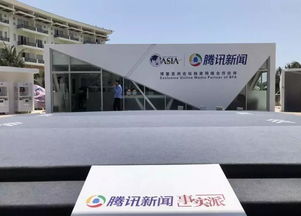
The recent opening of the Boao Forum for Asia has once again stirred discussions around the potential of artificial intelligence (AI) replacing human roles, particularly in the field of translation services. Despite the impressive advancements in AI-powered translation tools, this concern often proves to be an exaggerated alarm rather than a realistic threat.
First, while AI can handle basic and repetitive translation tasks with speed and accuracy, it still lacks the nuanced understanding of cultural contexts, emotional subtleties, and industry-specific jargon that human translators bring to the table. Events like the Boao Forum involve high-stakes diplomacy, complex negotiations, and sensitive topics where even minor mistranslations could lead to misunderstandings. Human translators excel in these scenarios by adapting to tone, intent, and unspoken cues, ensuring clear and effective communication.
Second, the demand for translation services at international conferences has actually grown alongside AI development. Rather than replacing humans, AI tools often serve as supportive aids, helping translators work more efficiently by managing large volumes of text or providing quick references. This synergy allows professionals to focus on higher-value tasks, such as real-time interpretation or editing for clarity and coherence.
Finally, the 'false alarm' reflects a broader societal anxiety about technological disruption. However, history shows that technology tends to augment human capabilities rather than render them obsolete. In translation, AI may automate certain processes, but the need for human judgment, creativity, and interpersonal skills remains irreplaceable.
In conclusion, the buzz around AI replacing human translation services during events like the Boao Forum is largely a misconception. Instead, the future points toward collaboration, where AI enhances human expertise to meet the growing demands of global communication.
如若转载,请注明出处:http://www.borator.com/product/77.html
更新时间:2026-10-26 09:15:38